Best Business Loans for Startups With No Revenue

Best Business Loans for Startups With No Revenue
Last updated: September 2026
Introduction
Walking into a bank for startup funding with no revenue and no track record is usually a dead end. Traditional lenders typically want six to twelve months of bank statements before they’ll even consider an application. But a bank isn’t your only option. A specific set of lenders — SBA microloan intermediaries, CDFIs, nonprofit crowdlenders, and select online lenders — are built specifically for founders in this exact position.
This guide breaks down which loan types actually fund pre-revenue startups, what they cost, and how to position your application to compensate for the missing revenue history.
Why Revenue-Based Lenders Say No (And What They Look at Instead)
When a business can’t show revenue, most lenders shift their evaluation to the founder rather than the company. That typically means:
- Personal credit score — often the single biggest factor once revenue is off the table
- Personal assets or collateral the founder is willing to pledge
- Willingness to sign a personal guarantee
- Industry and business plan quality, especially for SBA-backed and CDFI loans
- Time in business, even if short — six months of operating history, even without sales, can help
According to the Federal Reserve’s 2026 Small Business Credit Survey, only about 4 in 10 small business applicants receive full funding. The odds are worse for businesses under a year old. Knowing this upfront changes how you should approach lenders. The pitch isn’t “trust my revenue.” It’s “trust my credit, my collateral, and my plan.”
Bad Credit Personal Loans: Who Approves You & Real Rates
Best Loan Options for Startups With No Revenue
1. SBA Microloans
The SBA Microloan Program is one of the most startup-friendly options available. Loans go up to $50,000, with an average loan size of around $13,000. They’re funded through nonprofit, community-based intermediary lenders rather than banks directly. Rates typically run in the 8%–13% range, and many intermediaries offer business mentoring alongside the loan.
2. CDFI Loans
Community Development Financial Institutions are nonprofit lenders focused on underserved communities and early-stage businesses. They often evaluate your business plan and personal credit rather than requiring revenue history. Rates can run as low as 5%–6% for qualified borrowers — some of the most affordable startup financing available if you’re in an eligible area.
3. Kiva Loans
Kiva offers 0% interest, crowdfunded microloans up to $15,000 with no credit score requirement, repaid over terms up to 36 months. The trade-off is time. The crowdfunding period typically takes several weeks, and you’ll need to recruit personal supporters to help fund your loan.
4. SBA 7(a) Loans
For larger amounts, the SBA 7(a) program lends up to $5 million at rates roughly in the 9.75%–14.75% range. This program generally requires a stronger personal credit profile (680+) and is harder to qualify for with zero revenue than the microloan program.
5. Equipment Financing
If your startup needs specific equipment to operate — common in restaurants, healthcare, construction, and manufacturing — equipment financing can work even without revenue, since the equipment itself serves as collateral. Recent tax rules also allow businesses to deduct a significant portion of qualifying equipment costs in the year it’s placed in service. That can reduce the effective cost further.
6. Online Lenders (Use With Caution)
Fintech and online lenders will approve startups with no revenue fastest, sometimes within a day or two, but at a real cost. Average APRs at some online term-loan lenders run near 58%, and weekly-fee products can carry equivalent rates even higher. These are best treated as a last resort — for founders who need capital immediately and don’t qualify for SBA, CDFI, or Kiva options.
Startup Loan Rate Comparison
| Loan Type | Typical Rate | Max Amount | Revenue Required? |
|---|---|---|---|
| Kiva | 0% | $15,000 | No |
| SBA Microloan | 8% – 13% | $50,000 | No |
| CDFI Loan | 5% – 6% (qualified borrowers) | Varies | No |
| SBA 7(a) | 9.75% – 14.75% | $5 million | Generally, some flexibility |
| Equipment Financing | Varies by lender | Cost of equipment | No (asset-backed) |
| Online Term Loan | ~58%+ | Varies | No, but expensive |
Grants: Funding With No Repayment
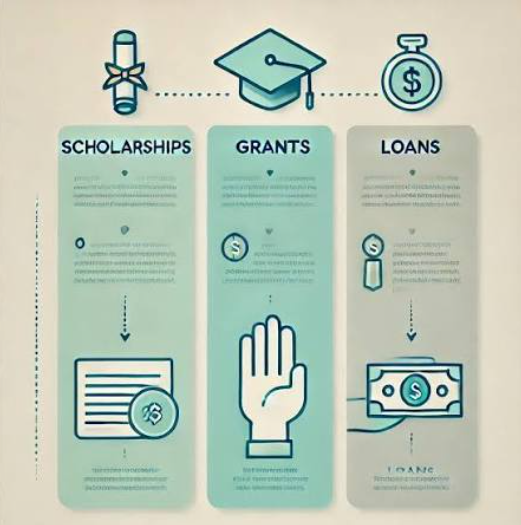
If you can qualify, a grant beats every loan on this list since there’s no repayment obligation. Options include federal SBIR/STTR programs for startups doing commercializable research and development, state economic development grants, and private/corporate grant programs. Competition is high, and most require a detailed application, but grants are worth pursuing in parallel with loan applications rather than instead of them.
How to Strengthen a No-Revenue Loan Application
- Check and improve your personal credit score first — this carries more weight than almost anything else when revenue is absent
- Write a detailed business plan with realistic financial projections, especially for SBA and CDFI applications
- Gather any collateral you can offer, even personal assets, to widen your lender options
- Start with SBA microlenders or Kiva if you have zero revenue — they’re built for exactly this stage, unlike traditional banks
- Use the SBA’s Lender Match tool to find approved microloan intermediaries in your area
- Avoid applying to traditional banks first — they rarely approve startups with no revenue and typically ask for one to two years of tax returns you don’t have yet
Frequently Asked Questions
Can I get a business loan with absolutely no revenue? Yes. SBA microloans, CDFI loans, and Kiva loans are specifically structured for pre-revenue businesses, evaluating your personal credit and business plan instead of revenue history.
What credit score do I need for a startup loan with no revenue? Requirements vary by lender. Kiva has no credit score requirement, SBA microloans are flexible, and SBA 7(a) loans generally want a score of 680 or higher.
Are online lenders a good option for no-revenue startups? They’re often the fastest to approve, but also the most expensive, with average APRs that can exceed 50%. Treat them as a last resort rather than a first choice.
How long does it take to get a startup loan with no revenue? It varies significantly: online lenders can fund in a day or two, SBA microloans typically take a few weeks, and Kiva loans depend on how quickly your crowdfunding campaign reaches its goal, often 15–45 days.
Final Thoughts
No revenue doesn’t mean no funding, but it does mean a different path than the one traditional banks offer. Start with SBA microloans, CDFIs, or Kiva if you qualify — they’re built for exactly this stage of a business. Reserve high-cost online lenders for situations where speed matters more than cost. Pursue grants in parallel, since they never have to be repaid.
This article is for general informational purposes only and does not constitute financial or legal advice. Rates, terms, and eligibility vary by lender and program and are subject to change. Consult a financial advisor or SBA-approved counselor about your specific situation.

1 comment