Student Loans: Federal vs Private Rates, and How to Choose
Student Loans: Federal vs. Private Rates, and How to Choose
Last updated: September 2026
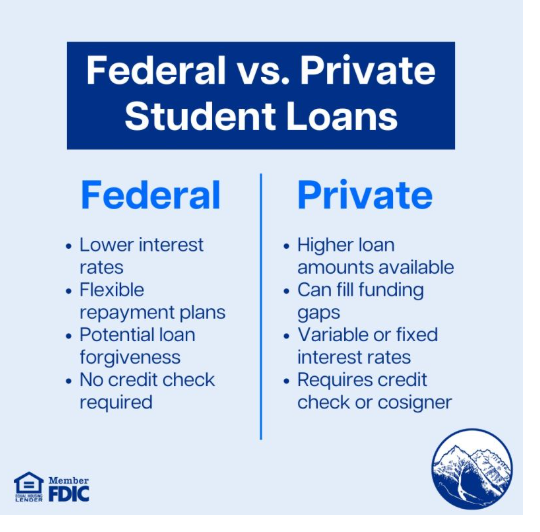
Student Loans for the academic year, federal undergraduate student rates sit at 6.52%, with graduate rates at 8.07% and PLUS loans at 9.07% — fixed for the life of the loan, regardless of your credit score. Private student loans can advertise rates as low as 2.29%, but only the most creditworthy borrowers actually qualify for those numbers; realistic private rates for most applicants run considerably higher, and private loans skip the borrower protections federal loans include.
Student loans remain one of the biggest financial decisions most students make before they’ve built any real credit history — and the difference between federal and private options isn’t just a matter of interest rate. It affects your protections, repayment flexibility, and total cost over the life of the loan.
Canada University Application Consultants: What They Cost and What They Can and Can’t Do
Federal Student Loans: What You Actually Get
Federal loans are set annually by formula under U.S. law, not negotiated individually — every eligible borrower gets the same rate regardless of credit score or income.
2026–2027 federal rates:
| Loan type | Interest rate (fixed) |
|---|---|
| Direct Subsidized/Unsubsidized (undergraduate) | 6.52% |
| Direct Unsubsidized (graduate/professional) | 8.07% |
| Direct PLUS (parent and grad/professional) | 9.07% |
Why federal loans are usually the first option to exhaust:
- Rates are fixed for the entire loan life — no surprises if market rates rise later
- Access to income-driven repayment plans, deferment, and forbearance
- Eligibility for loan forgiveness programs unavailable through private lenders
- Direct Subsidized Loans don’t accrue interest while you’re enrolled in school
The catch: federal loans carry an origination fee deducted from every disbursement — on a $10,000 loan, you typically receive slightly less than $10,000 but still owe the full amount. And critically, federal loans are only available to U.S. citizens and eligible non-citizens — international students on a visa are not eligible under any circumstances.
Private Student Loans: When They Actually Make Sense
Private loans come from banks, credit unions, or dedicated student lenders, and pricing is individual — based on your credit score, income, and whether you apply with a cosigner.
Current market range: advertised fixed rates run from roughly 2.29% to 18%, with variable rates spanning a similarly wide range. The lowest advertised rates require a credit score generally above 750, or a creditworthy cosigner — most borrowers won’t qualify for the headline minimum rate advertised on a lender’s homepage.
A common misconception worth correcting directly: private loans are not automatically cheaper than federal loans just because their lowest advertised rate looks smaller. Compare your actual offered rate — after underwriting — against the fixed federal rate before assuming private is the better deal.
Private loans make sense when:
- You’ve already maxed out federal loan eligibility and still have a funding gap
- You (or a cosigner) have strong enough credit to qualify for a genuinely competitive rate
- You don’t need income-driven repayment or forgiveness program access
Why a 1% Rate Difference Matters More Than It Sounds
A single percentage-point difference in your rate translates to roughly $1,700 in extra interest on every $30,000 borrowed over a standard 10-year repayment term. On $60,000 of graduate debt, that same 1% spread costs over $3,400 in additional interest. Comparing your actual rate — not just researching “average” rates — is one of the highest-leverage financial decisions you’ll make before signing a promissory note.
Student Loans for International Students
If you’re not a U.S. citizen or eligible non-citizen, federal loans are off the table entirely — this catches many international applicants off guard. Your realistic options are:
- A private lender built specifically for international students — these assess future earning potential rather than requiring an existing credit history
- A cosigned private loan, if you have a creditworthy citizen or permanent resident willing to cosign
- A home-country lender, often combined with savings or a scholarship
- Country-specific funding requirements — for example, if you’re headed to Canada specifically, a GIC (Guaranteed Investment Certificate) may be required alongside or instead of a loan; see our dedicated guide on Canada education loans for the full breakdown of lenders, rates, and the GIC requirement.
How to Choose: A Practical Checklist
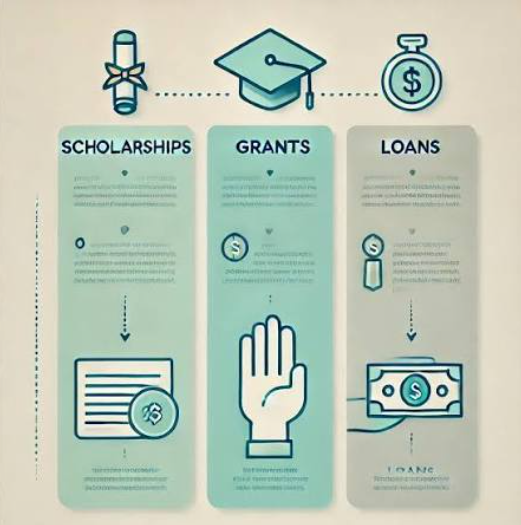
- Exhaust federal aid first (if eligible) — scholarships, grants, and federal loans before any private borrowing
- Borrow only your actual gap, not the full cost of attendance
- Compare your real offered rate, not a lender’s advertised minimum, across at least 2–3 private lenders if you go that route
- Check for a cosigner release option if applying with a cosigner — some private lenders allow removing them after a set number of on-time payments
- Understand your repayment terms before signing — grace period length, whether interest accrues while in school, and total repayment term all affect the real cost
Frequently Asked Questions
What is the current student loan interest rate in 2026? For 2026–2027, federal undergraduate loans are fixed at 6.52%, graduate loans at 8.07%, and PLUS loans at 9.07%. Private loan rates vary by lender and credit profile, with advertised ranges roughly 2.29% to 18%.
Are private student loans cheaper than federal loans? Not necessarily. Private lenders advertise low headline rates, but only the most creditworthy borrowers qualify for them. Federal rates apply uniformly regardless of credit score, so compare your actual approved private rate — not the advertised minimum — before assuming private is cheaper.
Can international students get federal student loans? No. Federal student loans are restricted to U.S. citizens and eligible non-citizens. International students need private lenders built for non-citizen borrowers, a cosigned loan, or a home-country lender.
Should I choose fixed or variable rates for a private student loan? Fixed rates stay the same for the life of the loan, offering predictability. Variable rates can start lower but may rise over time — federal loans are always fixed, which is one reason many borrowers exhaust federal eligibility first.
How much does a 1% interest rate difference actually cost? Roughly $1,700 in additional interest per $30,000 borrowed over a standard 10-year term — a difference that compounds significantly on larger loan balances.
Can I refinance my student loans later? Yes. Many borrowers refinance private (and sometimes federal, though this forfeits federal protections) loans once they’ve built a stronger credit profile or income, often securing a meaningfully lower rate than their original loan.
This guide reflects publicly available U.S. Department of Education and private lender information as of September 2026. Interest rates are reset annually for federal loans and vary continuously for private lenders — always confirm current rates directly with the U.S. Department of Education (studentaid.gov) or your chosen lender before borrowing.

1 comment