International Student Health Insurance in Canada
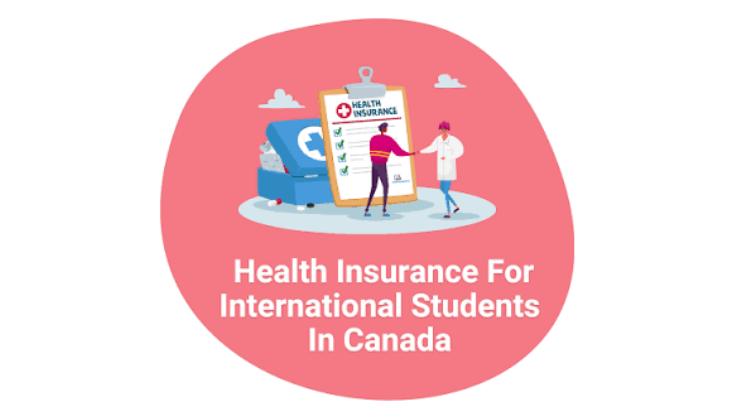
International Student Health Insurance in Canada
Last updated: August 2026
Canada is famous for universal healthcare — but that system is run entirely at the provincial level, and it was not built with international students automatically included. Whether you’re covered for free, required to pay hundreds of dollars a year for a mandatory plan, or left to buy private insurance entirely on your own depends on exactly one thing: which province your school is in. Get this wrong, and a single hospital stay can cost you thousands of dollars out of pocket — in 2026, one night in a Canadian hospital can run over CAD $3,700 for someone without coverage.
With roughly 700,000 international students currently holding study permits in Canada (down from over 1 million in early 2024, following new federal caps limiting permits to 437,000 per year for 2025 and 2026), understanding exactly what you’re required to buy — and what your province already gives you — is one of the most consequential pieces of pre-departure planning you’ll do.
Why There’s No Single Answer
Canada has no national health insurance card. Each province and territory runs its own publicly funded plan with its own eligibility rules, and international students are treated completely differently from one province to the next. A student in Alberta and a student in Ontario, holding equally valid study permits, can have a completely different insurance situation — one free, one mandatory and paid.
Provinces That Extend Free Public Coverage to International Students
Alberta, Saskatchewan, New Brunswick, Prince Edward Island, Newfoundland and Labrador, and the Northwest Territories generally allow international students with a study permit valid for the right duration (commonly 12+ months, intending to reside in the province) to enroll in the provincial health plan at no cost — the same basic public coverage a citizen or permanent resident receives. A waiting period of up to three months can still apply in some of these provinces before your coverage actually activates, so don’t assume same-day coverage even where enrollment is free.
British Columbia: Free, But With a Real Waiting Period
British Columbia’s Medical Services Plan (MSP) is available to eligible international students, and importantly, BC eliminated monthly MSP premiums for all residents back in 2020 — so once you’re enrolled, there’s no ongoing premium to pay (be cautious of outdated sources still quoting a monthly MSP fee; that changed years ago).
The catch is the mandatory three-month waiting period after you establish residency in BC before MSP coverage kicks in. During those first three months, you are not covered by MSP at all and need separate private insurance — a gap a lot of first-time applicants miss entirely. Once active, MSP covers doctor visits, hospital stays, emergency care, and medically necessary diagnostics, but not dental, vision, prescription drugs, or ambulance fees (ambulance service runs roughly CAD $80 for BC residents, but can reach CAD $530 for an out-of-province emergency transport).
Ontario: No Public Coverage – UHIP Is Mandatory
This is the single most important fact for anyone heading to Toronto, Ottawa, Waterloo, or any other Ontario institution: OHIP, Ontario’s public health plan, does not cover international students at all. Instead, Ontario universities and colleges enroll international students in the University Health Insurance Plan (UHIP), a mandatory group private plan administered through Sun Life.
Cost: roughly CAD $66/month, or about CAD $792/year as of 2026 — billed directly through your institution, typically alongside tuition. UHIP is not optional if you’re studying in Ontario as an international student; it’s a required part of your enrollment.
Manitoba, Nova Scotia, and Yukon: Similar Private-Plan Requirement
Manitoba requires international students to enroll in the Manitoba International Student Health Plan (MISHP) rather than the provincial public system. Yukon similarly requires a private or institutional plan rather than extending public coverage. Nova Scotia generally requires private coverage in your first year of study, with provincial eligibility sometimes becoming possible after that — confirm your specific timeline directly with your institution, since this transition isn’t automatic or identical for every student.
Quebec: The Exception Within the Exception
Quebec’s public plan, RAMQ, works differently from every other province: it’s only available to international students from a specific list of countries that have a bilateral social security or healthcare agreement with Quebec — including countries like France, Belgium, and Sweden, among roughly a dozen others. If your home country isn’t on that list, you’re required to purchase private insurance regardless of how long you’ll study in Quebec. Check the current bilateral agreement list directly, since which countries qualify can change.
Quick Cost Comparison
| Province | Public coverage for int’l students? | Typical cost | Waiting period |
|---|---|---|---|
| Alberta, Saskatchewan, New Brunswick, PEI, Newfoundland & Labrador, NWT | Yes | Free | Up to 3 months in some cases |
| British Columbia | Yes (MSP) | Free (premiums eliminated 2020) | 3 months, mandatory |
| Ontario | No | ~CAD $792/year (UHIP) | N/A — mandatory from enrollment |
| Manitoba | No | Varies (MISHP) | N/A |
| Nova Scotia | No (Year 1) | Varies (private) | Possible after Year 1 |
| Yukon | No | Varies (private) | N/A |
| Quebec | Only for ~11 specific countries (RAMQ) | Free if eligible; private otherwise | Varies |
What Your Coverage Won’t Include, Almost Anywhere
Regardless of province, standard coverage — public or UHIP-style mandatory plans alike — typically excludes:
- Dental care
- Vision care and eyewear
- Prescription medication
- Ambulance transport (or only partial coverage)
Most students top these up with supplemental private insurance, which your university’s international student office can usually point you toward directly.
Don’t Forget the Gap: Interim and Transition Coverage
Two moments create genuine coverage gaps that catch students off guard:
On arrival, before provincial coverage activates (particularly in BC’s three-month MSP wait, or any province with a waiting period): budget for interim private coverage, typically priced around CAD $2–5 per day, through providers commonly used for this exact purpose, like Guard.me or Manulife.
After graduation, transitioning off your study coverage: once your study-linked insurance ends, you can generally apply for provincial coverage under a Post-Graduation Work Permit (PGWP) — but most provinces still apply a waiting period of roughly three months, and Ontario specifically requires a full-time job of six months or more before OHIP eligibility kicks in. Don’t let coverage lapse during this transition; an uninsured incident during a gap period can create real medical debt, on top of complicating your immigration status.
Frequently Asked Questions
Is health insurance mandatory for international students in Canada? Yes, in every province and territory — the specific mechanism (free public plan, mandatory paid plan, or required private insurance) is what varies, not whether coverage is required at all.
Which province offers the cheapest health coverage for international students? Alberta, Saskatchewan, New Brunswick, PEI, Newfoundland and Labrador, and the Northwest Territories currently extend free public coverage to eligible international students, making them the least expensive options on paper — though a waiting period may still apply before coverage starts.
How much does UHIP cost in Ontario? Roughly CAD $792 per year (about $66/month) as of 2026, billed through your institution alongside tuition.
Does BC still charge a monthly MSP premium? No — British Columbia eliminated individual MSP premiums for all residents in 2020. Eligible international students pay nothing for MSP itself, though they do face a mandatory three-month waiting period before coverage begins.
Can any international student use Quebec’s RAMQ? No — only students from countries with a bilateral social security or healthcare agreement with Quebec (roughly a dozen countries, including France, Belgium, and Sweden) are eligible. Everyone else must purchase private insurance for the duration of their studies in Quebec.
What should I do about coverage in my first few months, before provincial insurance kicks in? Buy short-term interim private insurance to cover the waiting period — typically priced around CAD $2–5/day through providers like Guard.me or Manulife — rather than risk going without coverage during that gap.
This guide reflects publicly available provincial healthcare and institutional insurance information as of August 2026. Eligibility rules, costs, and waiting periods change and vary by institution — always confirm current requirements directly with your province’s health ministry and your university’s international student office before arriving in Canada.


2 comments