Canada Study Permit & Visa Services Guide
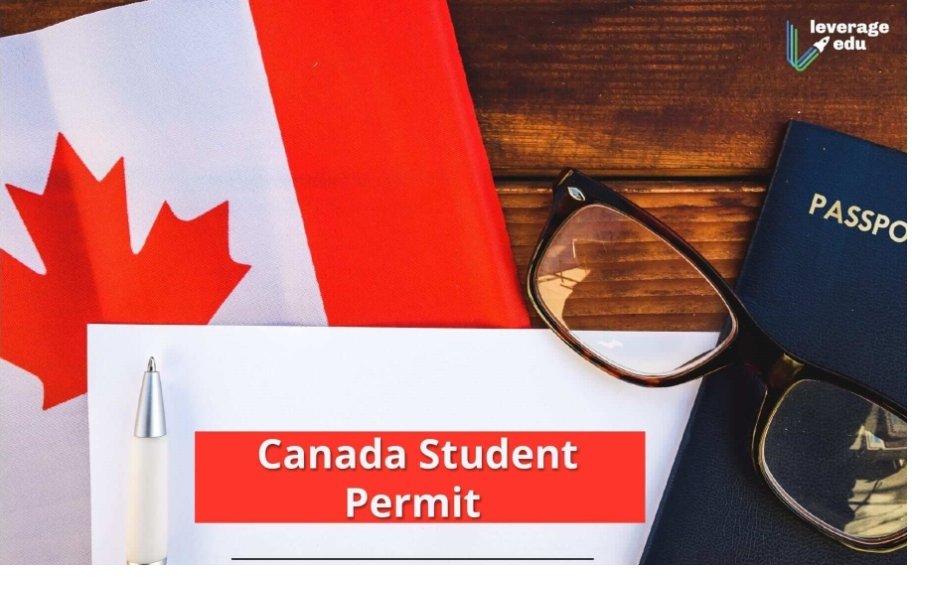
Canada study permit
The Canada study permit itself still costs CAD $150 (plus CAD $85 for biometrics), but the real story is upstream of the fee: the Student Direct Stream is closed, most applicants now need a Provincial or Territorial Attestation Letter (PAL/TAL), and you must show at least CAD $20,635 in proof of funds, well above what many students budgeted for even a year ago.
Canada remains one of the most sought-after study destinations for its post-graduation work pathways and predictable immigration system. But the tightest set of rule changes in years, and a single missing document or outdated cost estimate is now one of the most common reasons applications get delayed or refused.
International Student Health Insurance in Canada
What Changed And Why It Matters
Three changes define this year’s process:
- Student Direct Stream (SDS) is gone. Every applicant now goes through the standard, more rigorous processing stream, there’s no more fast-track option for students from a shortlist of countries.
- Provincial/Territorial Attestation Letters (PAL/TAL) are mandatory for most college and undergraduate applicants. Your province or territory has to confirm there’s an allocated space for you before IRCC will process your file. As of January 1, 2026, master’s and doctoral students at a public Designated Learning Institution (DLI) are exempt from this requirement, a meaningful carve-out if you’re applying for graduate study.
- Proof-of-funds requirements are higher. Single applicants studying outside Quebec generally need to demonstrate at least CAD $20,635, on top of first-year tuition, a jump from what was required just a couple of years ago.
What a Canada Study Permit Actually Costs
| Cost item | Amount (CAD) | Required for |
|---|---|---|
| Canada Study permit application fee | $150 | Everyone |
| Biometrics | $85 | Most applicants (valid 10 years — skip if given within the last decade) |
| Quebec CAQ (Certificat d’acceptation du Québec) | ~$132 | Quebec-bound students only |
| Medical exam | $200–$400 | Depends on country/program |
| Proof of funds to demonstrate | $20,635+ | Everyone (not a fee — funds you must show, not spend) |
Mandatory government fees alone run CAD $235 for a single applicant with no prior biometrics on file. Once you add a medical exam, courier costs, and currency conversion, a realistic total budget is closer to CAD $500–$800 — separate entirely from tuition and living costs.
Fees are non-refundable even if your application is denied, which is exactly why getting the paperwork right the first time matters more than saving a few dollars on a rushed application.
Step-by-Step: How the Application Actually Works
- Get your Letter of Acceptance (LOA) from a DLI approved by IRCC — this has to come before anything else.
- Secure your PAL/TAL (unless you’re a grad student at a public DLI, per the 2026 exemption) from the province or territory where you’ll study.
- Assemble proof of funds — bank statements from the last four months, a Guaranteed Investment Certificate (GIC), scholarship letters, or a sponsor’s financial affidavit all qualify.
- Pay the application and bio-metrics fees and submit online through a GCKey or IRCC secure account.
- Complete bio-metrics at a Visa Application Centre (VAC) — fingerprints and a photo.
- Complete a medical exam if required, through an IRCC-approved panel physician.
- Wait for a decision. Processing time varies significantly by country of application, so build in a buffer — especially now that SDS fast-tracking no longer exists.
Do You Need a Study Permit Consultant?
This is the question that actually has commercial weight behind it, and it deserves an honest answer rather than a sales pitch.
A consultant is worth the cost if:
- Your case has any complexity — a prior visa refusal, unusual financial documentation, or a non-standard academic gap
- You’re applying from a country where IRCC scrutiny is especially high right now
- You’re not confident writing a Statement of Purpose that clearly ties your program to your career and home-country plans
You can likely handle it yourself if:
- Your documents are straightforward (clean financials, direct academic path, no prior refusals)
- You’re comfortable navigating the IRCC portal and PAL/TAL process directly with your chosen province
- You have time to double- and triple-check every document against IRCC’s current checklist
If you do use a consultant or agency, confirm they’re a Regulated Canadian Immigration Consultant (RCIC) — this is the only credential that legally allows someone to represent you in an application for a fee. Anyone offering “guaranteed approval” outside that credential is a red flag.
Common Reasons Applications Get Delayed or Refused
- Missing or expired PAL/TAL for a program that requires one
- Proof of funds that doesn’t meet the current CAD $20,635 threshold, or documentation that isn’t recent/verifiable
- A Statement of Purpose that doesn’t clearly connect your program choice to your academic history and post-study plans
- Passport validity that doesn’t cover your full intended study period
- Incomplete biometrics or missed appointment windows
Frequently Asked Questions
How much does a Canada study permit cost? The mandatory government fees are CAD $150 for the application plus CAD $85 for biometrics — CAD $235 total for most first-time applicants. Add a medical exam and other incidental costs, and a realistic full budget is CAD $500–$800.
Is the Student Direct Stream (SDS) still available? No. SDS has closed, and all international applicants now go through the standard processing stream regardless of country of origin.
Do I need a Provincial Attestation Letter (PAL)? Most college and undergraduate applicants do. As of January 1, 2026, master’s and doctoral students at a public DLI are exempt from this requirement.
How much money do I need to show for a Canada study permit? At least CAD $20,635 for a single applicant studying outside Quebec, in addition to your first year of tuition. Quebec-bound students face separate requirements, including a CAQ.
Do I need an immigration consultant to apply for a Canada study permit? No — the process can be completed independently, especially for straightforward cases. A Regulated Canadian Immigration Consultant (RCIC) is worth considering if your file has complexity, such as a prior refusal or unusual financial documentation.
How long are biometrics valid for a Canada study permit? Ten years. If you’ve given biometrics for a Canadian visa within the last decade, you don’t need to pay the fee or provide them again.
This guide reflects publicly available IRCC information as of September 2026. Fees, thresholds, and eligibility rules change — always confirm current requirements directly on the official IRCC website (canada.ca) before applying or paying any fees.


Post Comment