Cyber Liability Insurance for Small Business

Cyber Liability Insurance for Small Business
Last updated: September 2026
Small businesses pay a national average of $83–$129/month (roughly $999–$1,552/year) for $1 million in cyber liability coverage. Against that: the average U.S. data breach cost reached a record $10.22 million in 2025, and the average ransomware payment now exceeds $400,000, with total incident costs (ransom, recovery, downtime, legal) often reaching $1–5 million for mid-size businesses. For most small businesses handling any customer data, that math answers the “worth it” question on its own — a four-figure annual premium against a potential six- or seven-figure loss is a genuinely favorable trade.
Cyber insurance is still a relatively new category for many small business owners, and it’s easy to dismiss as an unnecessary add-on — right up until a phishing email or ransomware attack turns into a business-ending event. Here’s what it actually costs, what it covers, and how to decide if it’s right for your business.
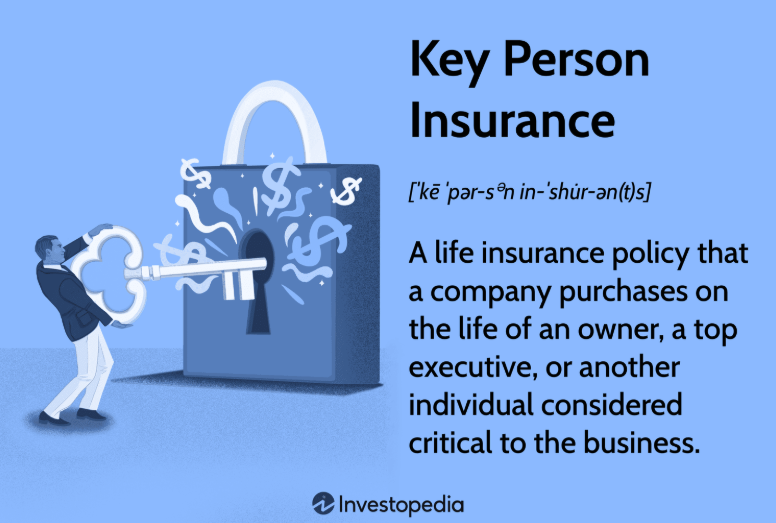
Life Insurance for Business Owners: Key Person Coverage
What Cyber Liability Insurance Actually Covers
A cyber policy typically pays for:
- Data breach response — customer notification, call centers, PR support, and credit monitoring
- Business interruption — compensation for lost income during system downtime
- Ransomware — negotiation support and approved ransom payments, where the policy includes it
- Legal expenses — defense costs, settlements, and judgments tied to a breach
- Regulatory fines — coverage for certain penalties, where insurable by law
- Forensics and recovery — the technical investigation and cleanup after an incident
One critical gap to check before buying: some lower-cost policies only include first-party coverage (your own direct losses — downtime, recovery costs). If your business stores customer data, make sure your policy also includes third-party liability — this is where the largest claims typically originate, since it covers your legal responsibility to affected customers, not just your own costs.
What Small Businesses Actually Pay in 2026
Figures vary by data source and business profile, but converge on a consistent range:
| Source/segment | Typical annual cost |
|---|---|
| National small business average | $999–$1,552/year ($83–$129/month) |
| Most common range | $500–$2,500/year |
| Low-risk business with strong security controls | Can secure $1 million coverage for under $1,000/year |
| Healthcare practices | $2,000–$7,500+/year, due to PHI sensitivity and HIPAA exposure |
| Mid-sized organizations (50–250 employees) | $6,000–$15,000/year |
| Construction firms | Often $1,000–$2,000/year — lower relative exposure |
| Professional services and healthcare | $2,500–$5,000+/year for the same $1M limit |
Why healthcare, finance, and law firms pay 2–4x more than a comparable construction firm or manufacturer: cyber insurance pricing is driven heavily by how much regulated data (health records, financial data, payment card information) a business handles, not just its size.
The Real Cost of Going Without Coverage
The numbers that make this decision concrete:
- Average U.S. data breach cost: a record $10.22 million in 2025
- Average ransomware payment: exceeds $400,000, with total event cost (ransom + recovery + downtime + legal) reaching $1–5 million for mid-size businesses
- Business email compromise and funds transfer fraud: the single most common claim type, accounting for 58% of all claims across one major insurer’s policyholders in 2025, with average losses of $50,000–$300,000+ per event — often with no recovery at all if social engineering coverage is missing from the policy
- Healthcare PHI breach costs: commonly reach $500,000–$2 million for small-to-mid practices once notification, credit monitoring, and regulatory defense costs are included, with HIPAA fines alone reaching $50,000+ per violation
Not every incident will hit these upper figures for a small business specifically, but even a fraction of these costs can be more than most small businesses could absorb without insurance.
What Actually Drives Your Premium
- Revenue and business size — larger operations generally see higher premiums
- Industry — regulated-data industries (healthcare, finance, legal) consistently pay more
- Volume of sensitive data held — more customer records, payment data, or health information increases exposure
- Existing security controls — multi-factor authentication (MFA), employee phishing training, documented patch management, and a written incident response plan can each reduce your premium
- Claims history — a prior breach or claim raises future pricing, same as most insurance types
- Coverage limit and deductible chosen — higher limits and lower deductibles both increase the premium
How to Lower Your Premium Without Cutting Coverage
- Enable multi-factor authentication (MFA) everywhere — at minimum on email, administrative accounts, and remote access; this is one of the most impactful controls insurers look for and can meaningfully reduce pricing
- Run regular employee phishing simulations and security awareness training — human error remains the leading cause of breaches, and demonstrating active training reduces perceived risk
- Document a patch management process — showing insurers you apply security updates within defined timeframes signals lower risk
- Write an incident response plan — even a simple documented plan shows operational maturity and can reduce claim severity, which insurers price into your premium
- Compare quotes from at least three insurers — pricing for identical coverage can vary by 20% or more between carriers for the same risk profile
- Bundle with other coverage — packaging cyber insurance with professional liability or a Business Owner’s Policy often reduces the combined premium
Together, these controls can reduce your premium by an additional 5–15% once the required baseline is in place, and they’re most valuable in high-risk industries where the percentage savings translate into real dollars.
Is It Actually Worth the Cost?
For most small businesses that handle any customer data, process payments, or rely on email and connected systems for daily operations — which describes nearly every modern small business — the answer is generally yes. A premium in the $500–$2,500/year range is a genuinely small cost relative to even a modest cyber incident, let alone a serious ransomware or data breach event that could otherwise threaten the business’s survival.
It matters even more than it did a few years ago: global cyber insurance premiums have grown from roughly $3.5 billion in 2016 to an estimated $19.6 billion in 2026 — reflecting both rising breach frequency and businesses increasingly recognizing this as a necessary cost of doing business digitally, not an optional extra.
Frequently Asked Questions
How much does cyber liability insurance cost for a small business? The national average is roughly $999–$1,552/year ($83–$129/month) for $1 million in coverage, though most small businesses pay somewhere in the $500–$2,500/year range depending on industry, data volume, and security controls.
Is cyber liability insurance actually worth it for a small business? For most businesses handling any customer or payment data, yes. The average U.S. data breach cost reached $10.22 million in 2025, and even a modest incident can cost far more than several years of premiums.
Does cyber insurance cover ransomware attacks? Many policies do, including negotiation support and approved ransom payments, but coverage varies by policy — confirm this specifically before buying, since ransomware is currently the most expensive claim category.
What’s the difference between first-party and third-party cyber coverage? First-party coverage handles your own direct losses (downtime, recovery costs). Third-party coverage handles your legal liability to others affected by a breach — such as customers whose data was compromised. Some cheaper policies only include first-party coverage, which can leave a significant gap.
Can I lower my cyber insurance premium? Yes. Enabling multi-factor authentication, running employee security training, documenting a patch management process, and writing an incident response plan can each reduce your premium, often by an additional 5–15% once baseline requirements are met.
Why do healthcare and financial businesses pay more for cyber insurance? Because they handle higher volumes of regulated data (health records, financial information, payment card data), which increases both breach likelihood and potential regulatory fines — these industries typically pay 2–4x what a comparable lower-risk business pays for the same coverage limit.
This guide reflects publicly available insurer and industry pricing data as of September 2026. Cyber liability premiums vary significantly by industry, business size, data volume, and security controls — always request quotes from multiple licensed providers and review coverage details carefully before purchasing.



1 comment